
48V to 12V Industrial Rail Design: Buck Converter Sizing Guide
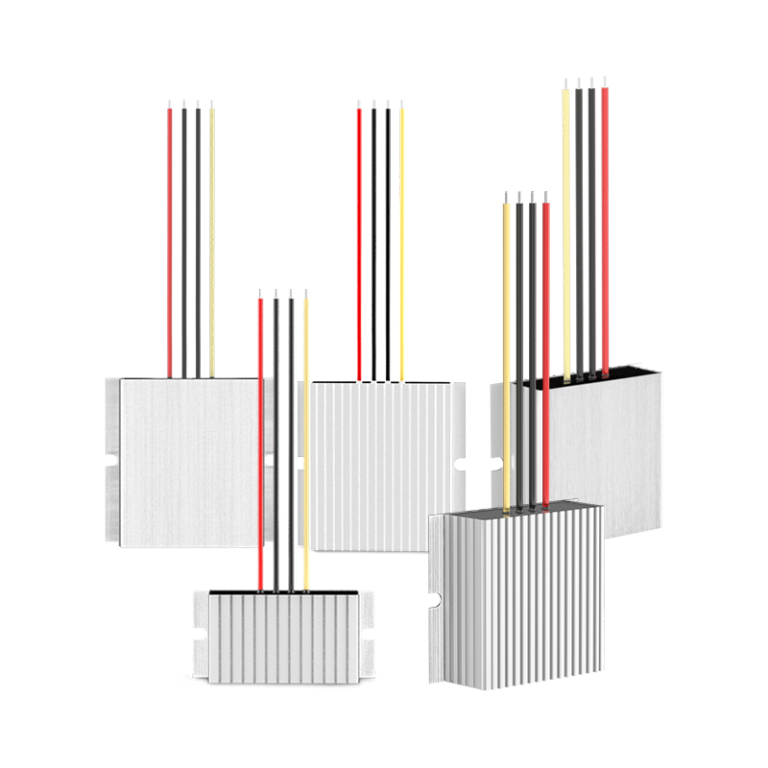
Size a 48V-to-12V buck converter from load current, startup peaks, thermal path, housing and industrial wiring constraints.

Size a 48V-to-12V buck converter from load current, startup peaks, thermal path, housing and industrial wiring constraints.
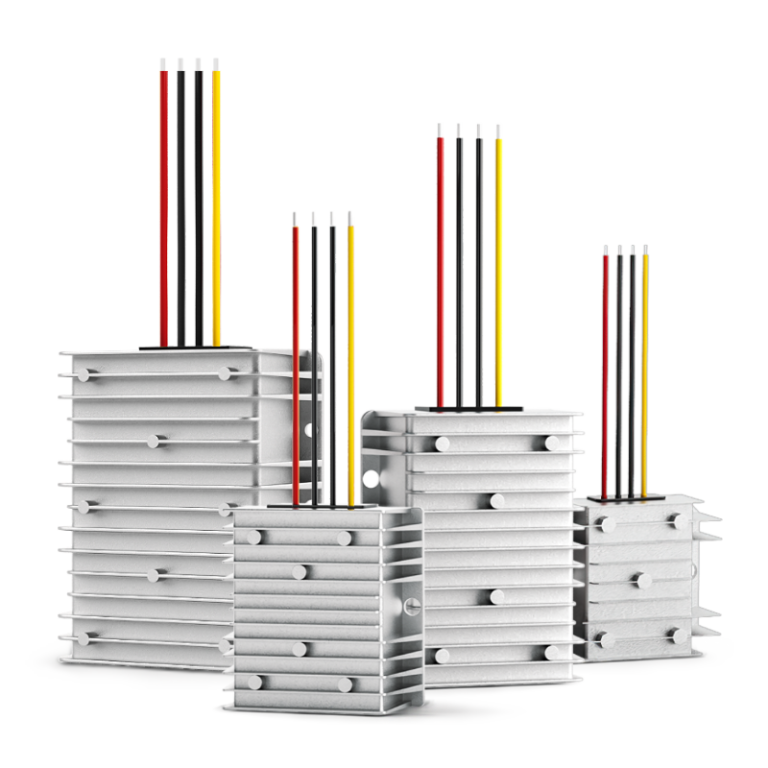
Wide-input design requires startup, low-line current, thermal behavior, transient tolerance and protection checks across the real voltage window.
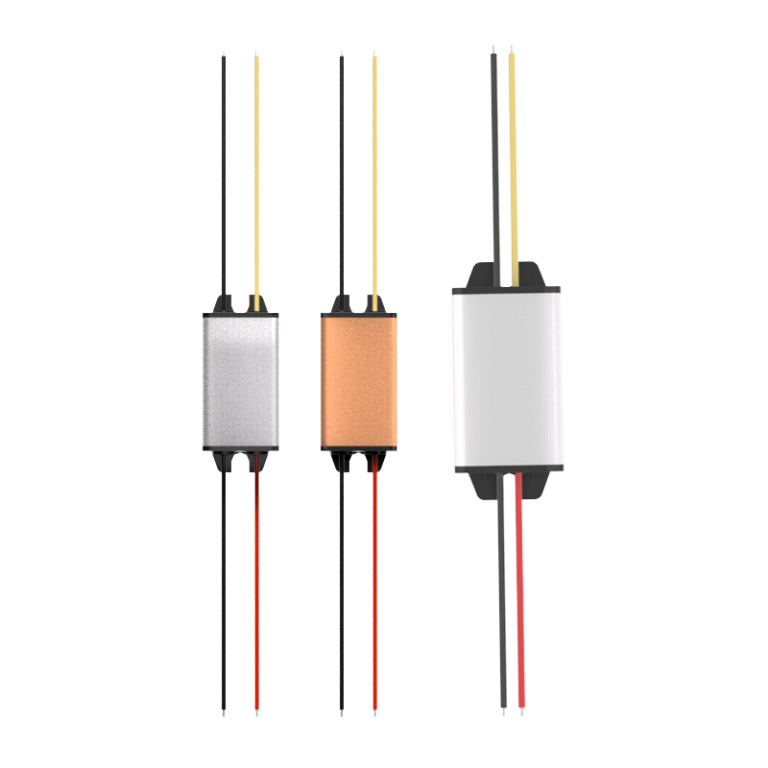
Define input range, true load current, thermal path, isolation, housing and compliance before selecting a DC-DC converter for an OEM design.
A boost converter raises a lower DC input to a regulated higher rail; synchronous rectification reduces off-phase loss.
Die-cast housings improve heat spreading, mechanical strength and environmental protection for demanding applications.
High-current buck modules require a full load audit, startup analysis and conduction path before selection.
Aluminum-profile construction improves heat transfer and gives machine builders a robust panel-mount step-down solution.
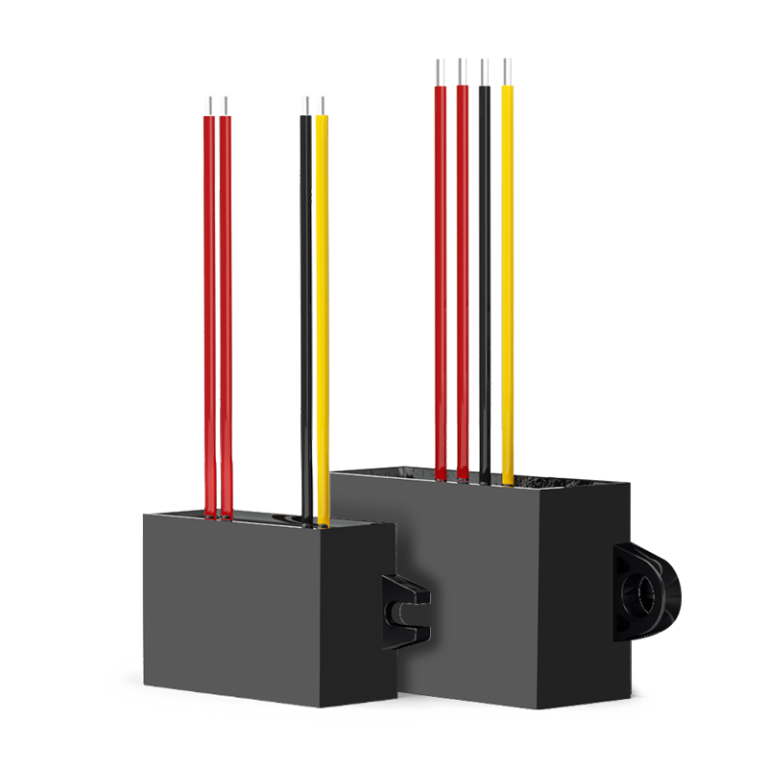
A compact plastic-housed buck family for distributed low-power rails where space, cost and reliable regulation matter.
Replacing the freewheeling diode with a controlled MOSFET reduces conduction loss, but control complexity and cost increase.
Switching element, freewheeling path, inductor and output capacitor work together to step a DC rail down efficiently.