

When sourcing critical components like an automotive DC-DC converter or a marine RV DC-DC converter, engineers often encounter supplier surveys designed to gauge market needs or reward feedback. While these engagements can offer insights into new energy storage DC-DC technologies or UAV power module trends, the legal framework governing them varies significantly by region. Understanding common elements found in survey official rules helps both manufacturers and participants engage fairly and transparently. This guide outlines frequently observed compliance practices in B2B promotional campaigns, helping you distinguish professional industry outreach from non-compliant solicitations. Please note that this information is for educational purposes only and does not constitute legal advice; sponsors and participants should always consult qualified legal counsel regarding specific jurisdictional requirements.
What Are the Entry Protocols and How Is Participation Integrity Maintained?
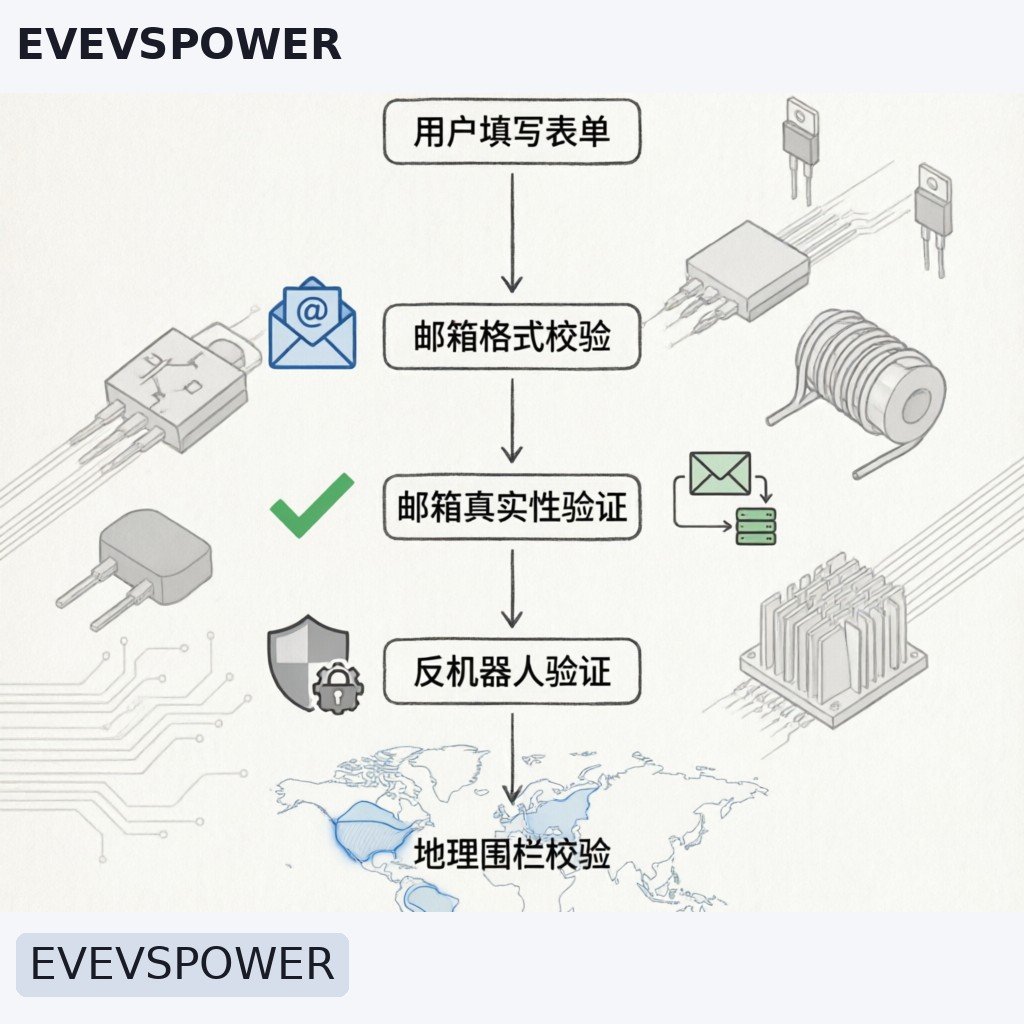
Legitimate industry feedback initiatives typically do not require a financial transaction to participate. A foundational principle in many jurisdictions’ sweepstakes and contest laws is that no purchase is necessary to enter or win. This practice helps separate genuine market research from disguised sales tactics and may be legally required in certain regions. Whether you are evaluating LED display power supply options or assessing isolated converter specs, your participation should generally be voluntary and uncompensated by obligation.
Valid Submission Methods and Anti-Fraud Measures
Professional campaigns often define specific entry windows to maintain data relevance. During this period, participants usually submit responses via a secure digital link sent directly to verified business emails. To preserve dataset integrity, organizers commonly prohibit automated, robotic, or scripted entries. Attempting to circumvent single-entry limits through multiple email addresses, aliases, or devices is frequently grounds for disqualification. In some jurisdictions, promotions may also provide an alternative mail-in method using a standard index card with printed contact details to ensure accessibility complies with local sweepstakes laws. This dual-path approach, where applicable, helps protect the validity of feedback used to shape future product roadmaps, from 1W board-mount modules to 5000W industrial converters.
What Are the Eligibility Standards and Which Geographic Areas Are Covered?
Not every engineer or buyer qualifies for every campaign. Survey official rules frequently restrict participation based on jurisdiction and age to comply with local regulations. Many U.S.-centric B2B promotions limit eligibility to residents of the 50 states and District of Columbia who have reached the age of majority (often 18 years old) by the start date. Territories and international locations are frequently excluded unless explicitly stated, though requirements vary widely outside the United States.
Crucially, entrants may be required to consent to limited disclosure of their identity if selected as winners. This transparency clause helps prevent anonymous claims and verifies that prizes reach actual industry professionals rather than fraudulent actors. For global manufacturers like EVEVSPOWER, which exports to over 30 countries and operates under ISO9001 standards, adhering to region-specific eligibility criteria demonstrates respect for international compliance frameworks—even when running campaigns targeting specific markets. Always verify that a promotion’s geographic scope aligns with your location and local laws before investing time in detailed technical feedback.
How Are Winners Selected, Notified, and Prizes Fulfilled?
How recipients are chosen and notified depends on the specific rules of each promotion. Transparent survey official rules typically describe selection procedures conducted by authorized personnel after the entry window closes. Odds of winning often depend entirely on the volume of eligible submissions received—a variable that cannot be predetermined.
Response Windows and Tax Responsibilities
Potential winners may receive notification via the email address provided during entry and might be required to respond within a defined period. Failure to reply can result in forfeiture, potentially triggering an alternate selection process, depending on the promotion’s rules. Winners are generally responsible for applicable income taxes, and prizes are typically non-transferable with no cash substitution allowed unless the sponsor opts to replace an unavailable item with one of equal or greater value. In B2B contexts, prizes often consist of modest gift cards (e.g., 50 denominations) intended as tokens of appreciation rather than high-value inducements, which may reduce regulatory scrutiny in some jurisdictions while still acknowledging participant effort.
What Are the Liability Boundaries and Which Technical Disclaimers Apply?
Many sets of survey official rules include limitation-of-liability clauses protecting sponsors from certain claims arising from participation or prize acceptance, subject to applicable law. Entrants may be asked to waive rights to pursue specific damages related to the promotion, though such waivers are not enforceable in all jurisdictions. Sponsors often state they are not liable for late, incomplete, or misdirected entries; email filtering issues; network failures; software malfunctions; or human errors in processing or publishing. If technical compromises (viruses, bugs, tampering evidence) threaten campaign integrity, administrators may reserve discretion to modify or terminate the promotion, selecting winners only from eligible entries received prior to termination, as permitted by law.
These disclaimers exist because power electronics professionals understand system reliability matters. Just as you’d scrutinize MTBF ratings or isolation specs for a mission-critical converter, you should recognize that promotional platforms carry inherent digital risks. Reputable manufacturers aim to apply rigor to campaign administration similar to production quality control, within the bounds of applicable legal standards.
Which Jurisdiction Applies and How Are Privacy and Records Kept Transparent?
Legal enforceability requires clear governing law designations. Survey official rules typically specify which state or national laws apply and where disputes must be adjudicated—often tied to the sponsor’s headquarters location, though consumer protection laws in some jurisdictions may override such clauses. Participants may agree to forum jurisdiction, but local laws may provide additional rights.
Privacy protections are equally critical. Submitted information falls under the sponsor’s published privacy policy, detailing how data is stored, used, and protected. For engineers sharing sensitive application details about UAV power modules or energy storage DC-DC systems, verifying that a manufacturer maintains stringent data handling practices is as important as validating electrical specifications. Finally, winners lists must often be made available upon request after a specified post-campaign date, via methods permitted under applicable jurisdictional law (which may include written requests or digital publication, as self-addressed stamped envelope requirements have been repealed or modified in various jurisdictions). This public verification mechanism helps deter fraud and confirms that selections were conducted fairly. At EVEVSPOWER, we strive to uphold these principles across all stakeholder engagements, reflecting our commitment to ethical manufacturing partnerships since 2015. For questions about our products or compliance practices, reach out to allan@everspower.com or visit www.everspower.com.